Corinth NY: A Scenic Community We Often Travel To
Corinth sits along the beautiful Hudson River and Sacandaga Lake region, offering a perfect blend of small-town charm and Adirondack adventure. Residents appreciate the peaceful forests, river views, and recreational opportunities. The Corinth Reservoir Recreation Area gives families and outdoor lovers miles of hiking trails, fishing spots, and wildlife observation. The town is known as the “Snowshoe Capital of the World,” and winter brings its own charm with snow-covered landscapes and cozy fireside evenings. It is a place where homeowners value warmth, comfort, and well-maintained homes, and we are proud to serve this welcoming community.
What Happens if I Skip a Chimney Inspection for a Year or Two?
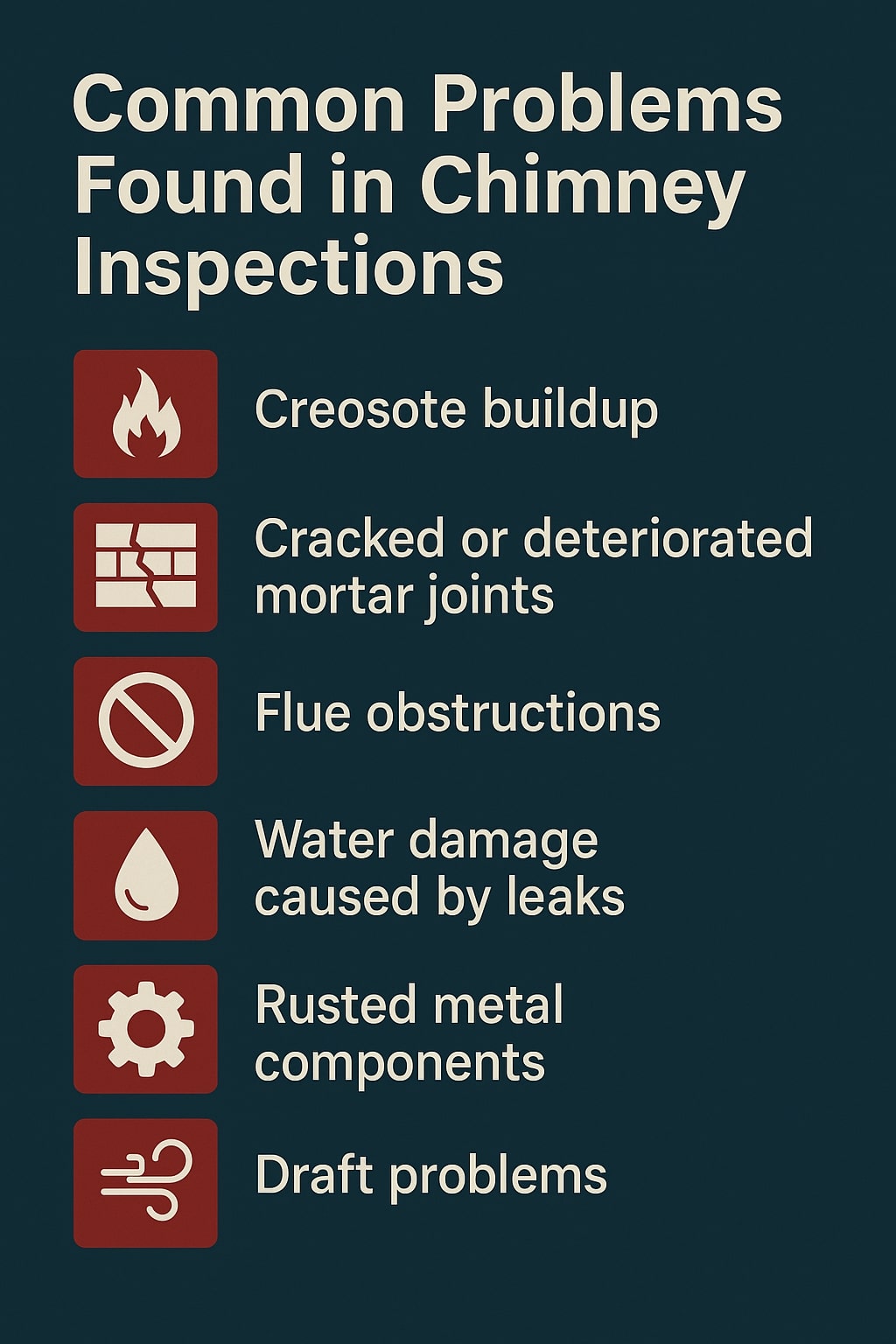
Many homeowners are surprised by how quickly issues can develop when a chimney goes uninspected. Skipping even a single year can allow enough creosote to accumulate to cause drafting problems or increase the risk of a chimney fire the following season. Mortar joints can crumble faster than expected if moisture enters the system, and in climates like Upstate New York, freeze thaw cycles can accelerate internal damage.
Even small flue defects are concerning because hot gases and smoke can escape into surrounding materials. Animals may nest in the chimney during the off-season and create blockages. Missing an inspection allows these problems to build without you knowing. When we check your chimney annually, we make sure the liner is intact, the flue is clear, and the masonry is holding up to the weather as well as possible.
How Do Chimneys Hold Up During High Winds or Winter Storms in Corinth?
Corinth experiences heavy winter storms and occasional high winds that can put real stress on chimney structures. Brick stacks act like tall sails, absorbing wind pressure. Mortar joints that are already weakened can loosen more quickly. A storm can also displace chimney caps, allowing water or animals to enter. Snow accumulation around flashing can cause leaks, and ice dams can push moisture into mortar joints.
During our chimney inspections, we check for:
- Movement in the chimney stack
- Loose or leaning bricks
- Flashing separation caused by shifting snow loads
- Interior moisture stains that suggest wind-driven rain entry
- Damage to caps and spark arrestors
A leaning chimney or widening cracks are early warning signs that the chimney is at risk of partial collapse if storms continue to stress it. Inspections help ensure the chimney will stand strong through another winter.
Could Earthquakes or Ground Vibrations Loosen Mortar Joints?
While Corinth does not experience major earthquakes, even minor seismic tremors or repeated ground vibrations from traffic, construction, or freeze thaw expansion can loosen mortar over time. Mortar that is already aging can crack microscopically, widening with each seasonal shift. Those gaps can create unseen flue breaches that allow heat to reach nearby framing.
We use specialized video scanning equipment that allows us to detect liner cracks or mortar gaps too small for the eye to notice. This helps us catch internal deterioration well before it becomes a serious hazard. We also evaluate the chimney’s vertical alignment to determine if settling or ground movement is affecting stability.
How Quickly Can Crumbling Mortar Compromise the Chimney?
Crumbling mortar can compromise a chimney faster than many homeowners expect. In humid or wet conditions, gaps between bricks allow water inside the masonry. Once present, water freezes in winter and expands, causing even more mortar loss. Within a single hard season, bricks can begin spalling, flue gaps can widen, and the chimney’s structural core can weaken.
During an inspection, we evaluate:
- The depth and width of mortar loss
- Whether cracks extend into the flue
- Whether water stains indicate ongoing moisture intrusion
- Whether the chimney crown is breaking down and washing mortar into the system
If mortar loss reaches a certain point, the stack may require tuckpointing or partial rebuilding. The sooner we identify deterioration, the better chance we have of preserving your existing masonry.
Can Weather or Environmental Factors Affect Chimney Draft Years After Construction?
Absolutely. Many homeowners assume that if a chimney drafted well when the house was built, it will always draft well. But airflow patterns change over time. Nearby construction, new home additions, remodeled roofs, or even tree growth can alter wind patterns and create backdrafting issues.
During our inspections, we evaluate draft performance and look for signs of poor airflow, such as:
- Smoke lingering in the firebox
- Strong odors on humid days
- Difficulty getting a fire started
- Soot marks near the opening
- Whistling or unusual airflow sounds
A chimney that once drafted perfectly may struggle years later due to environmental changes. Sometimes solutions include improving the height of the chimney, installing a top-sealing damper, or adjusting combustion air availability inside the home.
What Should Homeowners Do After Heavy Rain or Snow Before Using Their Fireplace?
Moisture can enter the chimney in several ways, especially after storms. Water can run past deteriorated flashing, leak through cracks in the crown, or travel down the flue if the cap is missing or damaged. Lighting a fire when the flue is damp can cause smoke backup or worsen existing creosote deposits.
We recommend checking for:
- Musty or damp odors in the firebox
- Rust on the damper
- Moisture on the smoke shelf
- Water stains around the chimney interior
If you notice dampness after a storm, it is best to schedule an inspection before burning. Moisture problems rarely improve on their own and usually point to a leak that needs repair.
Call Northeastern Masonry & Chimney for Chimney Inspections in Corinth NY
Our team is committed to helping Corinth homeowners enjoy safer, more reliable fireplace systems all year long. If it has been more than a year since your last inspection, or if you suspect any chimney issues, schedule with us today. We deliver detailed evaluations, clear explanations, and solutions that keep your home protected and your chimney performing at its best. For chimney inspections near you, reach out now.